
⚡ Berita Bola
Headline terbaru dari liga dunia
 ESPN
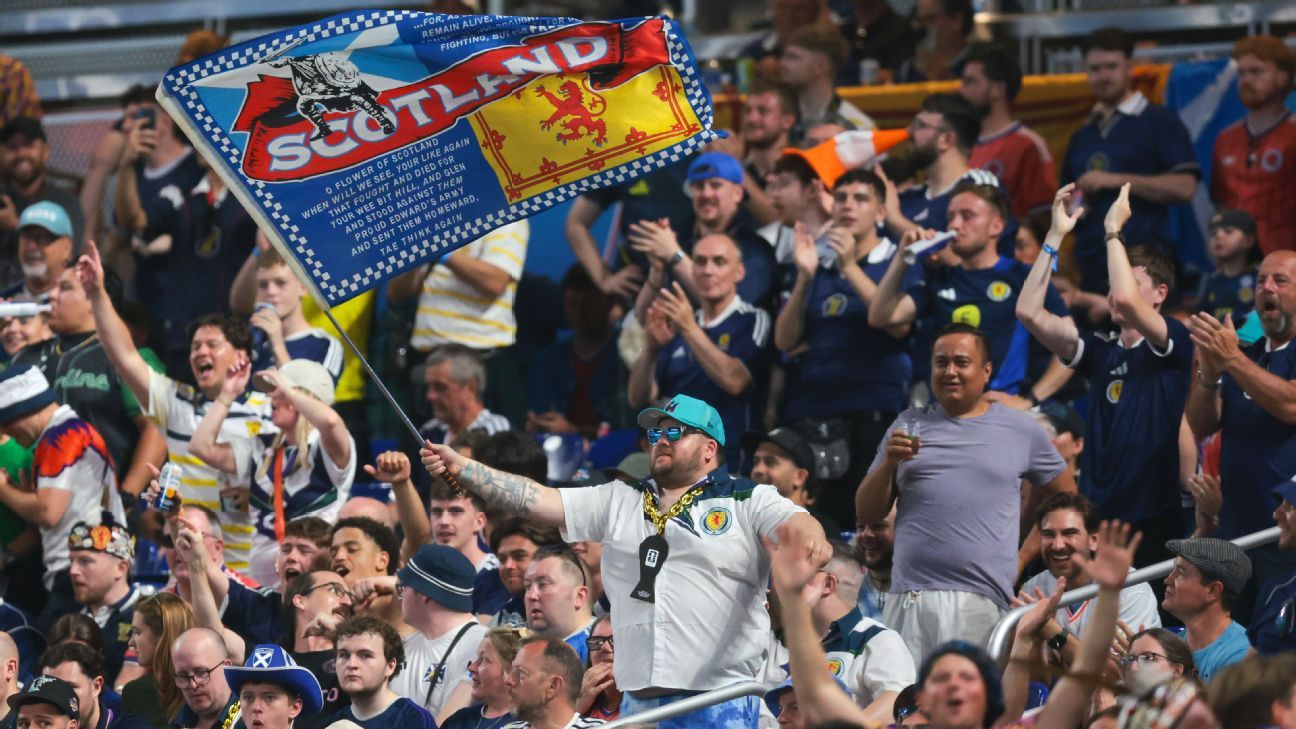
ESPNBagpipes and baseball: Why was Scotland's Tartan Army cheering for the Miami Marlins?
After celebrating with the Red Sox, members of Scotland's famed Tartan Army marched into loanDepot park and adopted the Marlins for a night.
 The Guardian Football
Scottish fans’ friendly USA invasion exemplifies the joy of the World Cup | Philipp Lahm
Major tournaments bring people together and Scotland’s welcome presence adds to the case for a 48-team event I could watch videos of the Scots online for hours. Wearing kilts, they marched through Boston playing bagpipes. In the stadium, the Tartan Army roared their team to victory against Haiti , their first World Cup win in 36 years. Afterwards they went to a baseball game and, singing and wearing knee-length red socks, turned a Boston Red Sox home game into part of the World Cup – and one of its highlights, too. In the stadium they had the rules of this sport, which we Europeans find difficult to understand, explained to them. Continue reading...
 BBC Sport
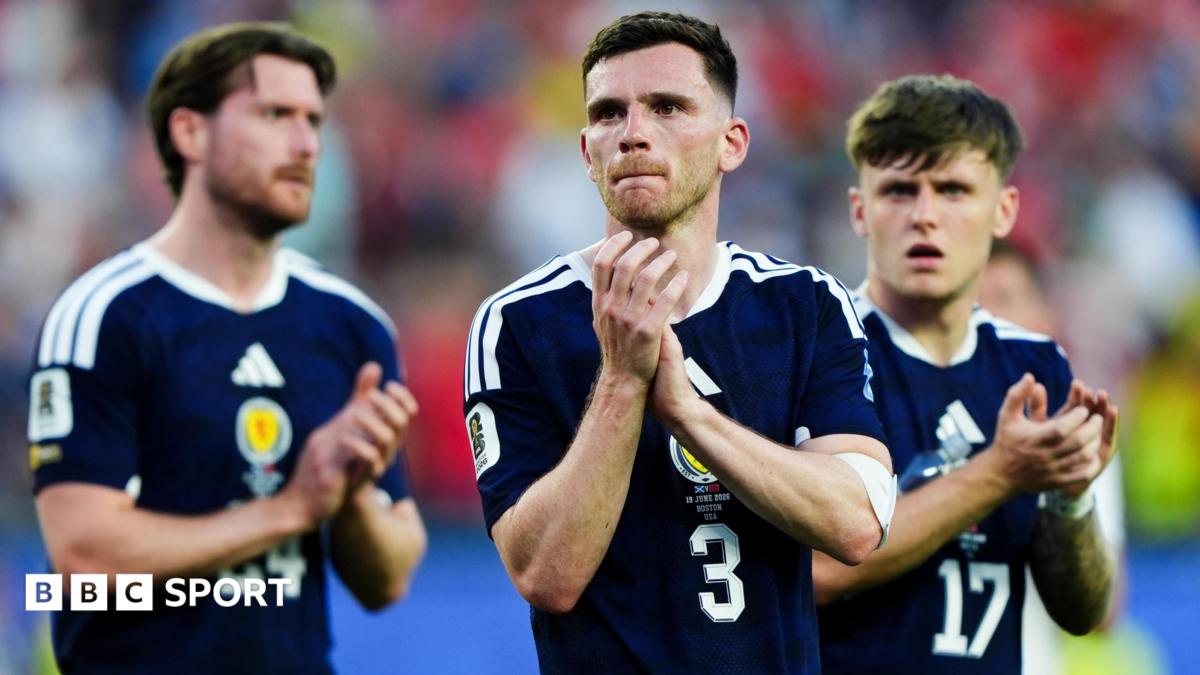
Why Scotland can't play for draw or narrow defeat against Brazil
A draw or even narrow defeat could mean Scotland qualify for the knockout stage of the World Cup. But how difficult is it to play a game you do not need to win?
 BBC Sport
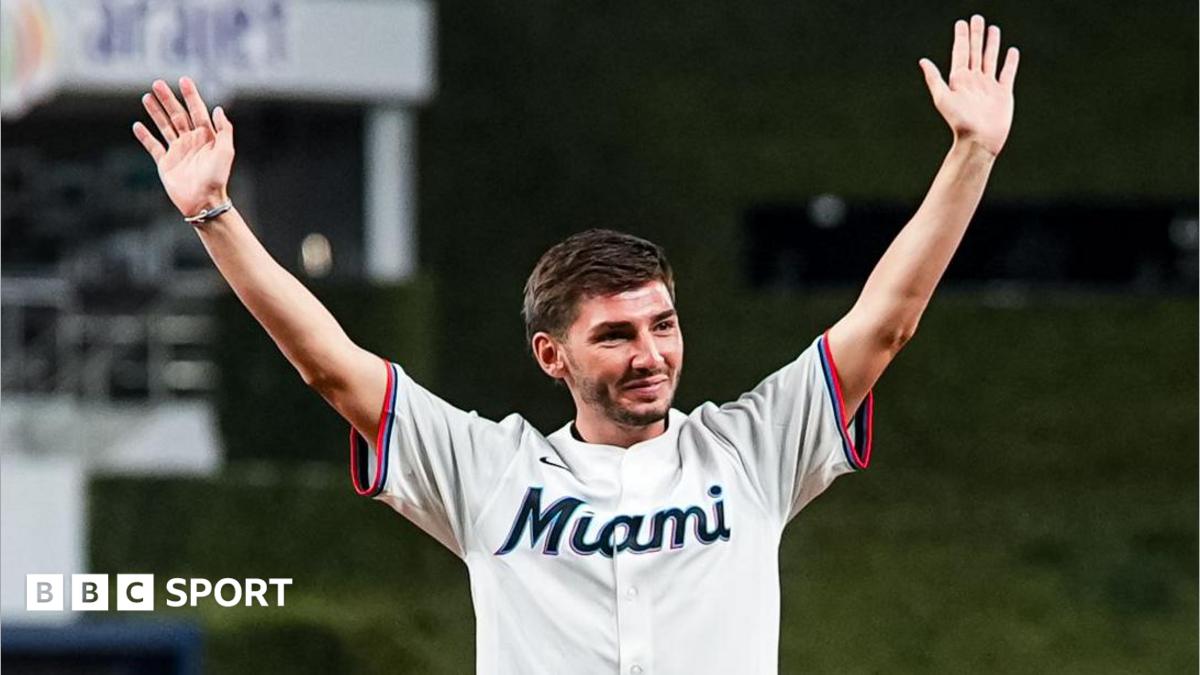
Miami romance, Billy Gilmour and a mince and tattie hot dog
Another city. Another ballpark. Another Tartan Army love-in. The warmth towards the Scotland fans during this World Cup burns hotter than the Florida sun.
 BBC Sport
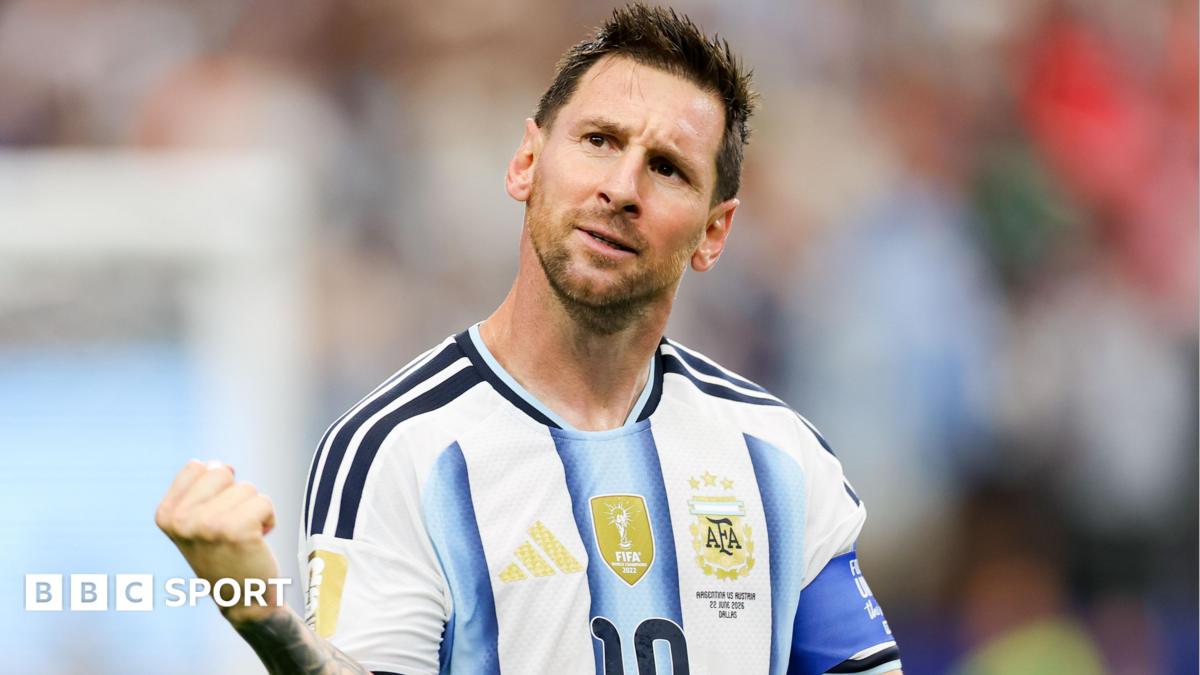
From retirement to records - another immortal Messi moment
Ten years after announcing he was quitting international football, Lionel Messi is still breaking records for reigning World Cup champions Argentina.
BBC SportFrom retirement to records - another immortal Messi moment
Ten years after announcing he was quitting international football, Lionel Messi is still breaking records for reigning World Cup champions Argentina.
 BBC Sport
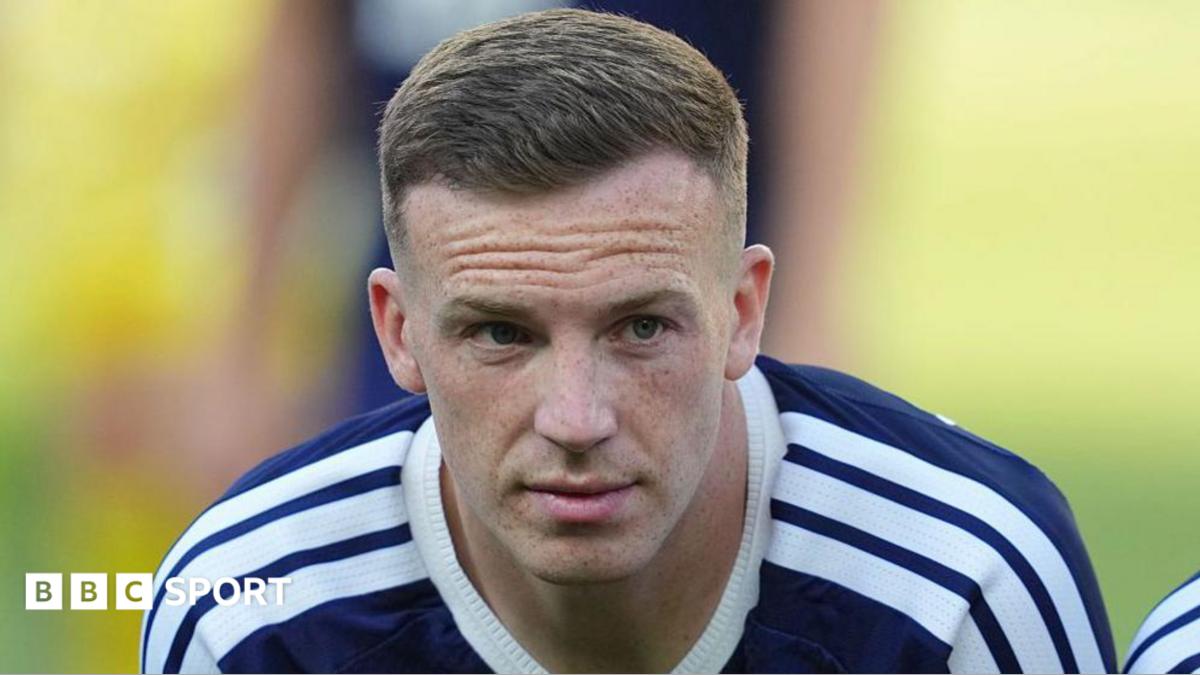
How Ferguson became Scotland's most influential World Cup player
BBC Scotland examines the impact of Bologna's Lewis Ferguson in the Scotland midfield going into the crunch game with Brazil.
 ESPN
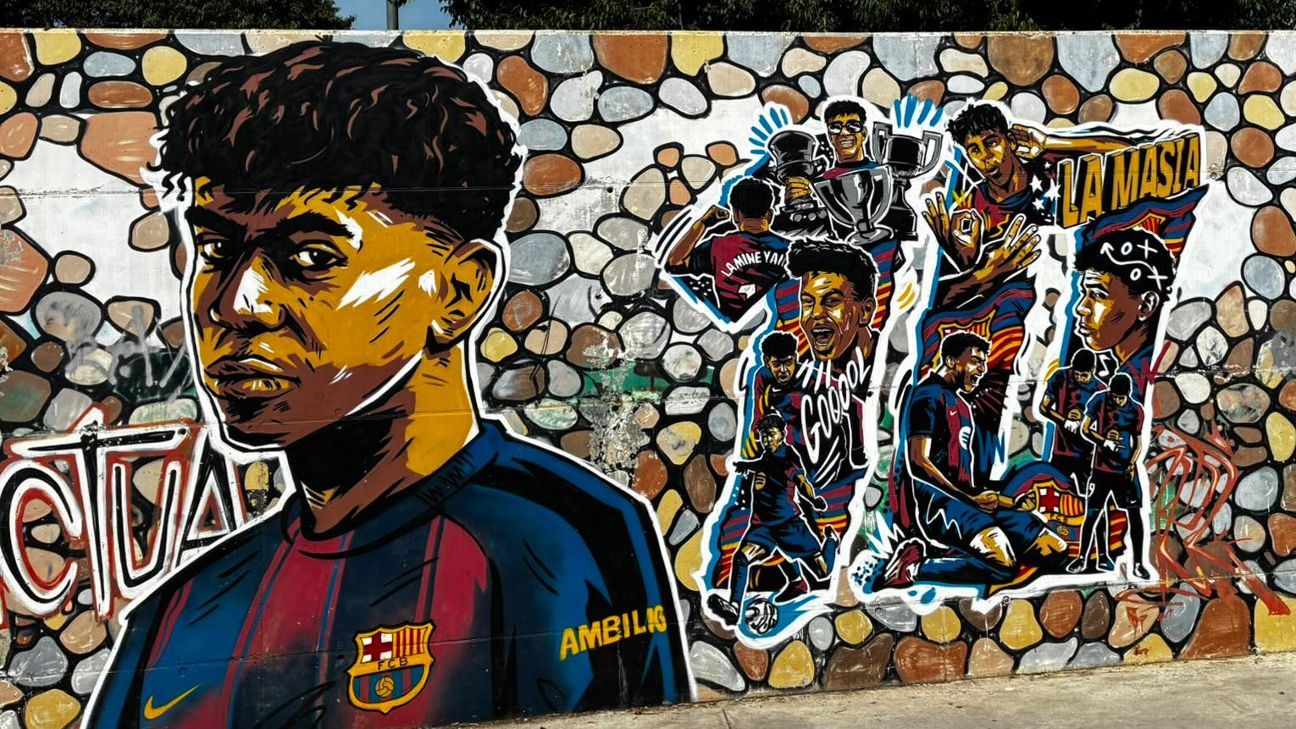
ESPNWatching Spain's Yamal score his first World Cup g...
The modest Catalan district of Rocafonda is where Barcelona and Spain star Lamine Yamal grew up. And ESPN was there to see him score his first World Cup goal.
 The Guardian Football
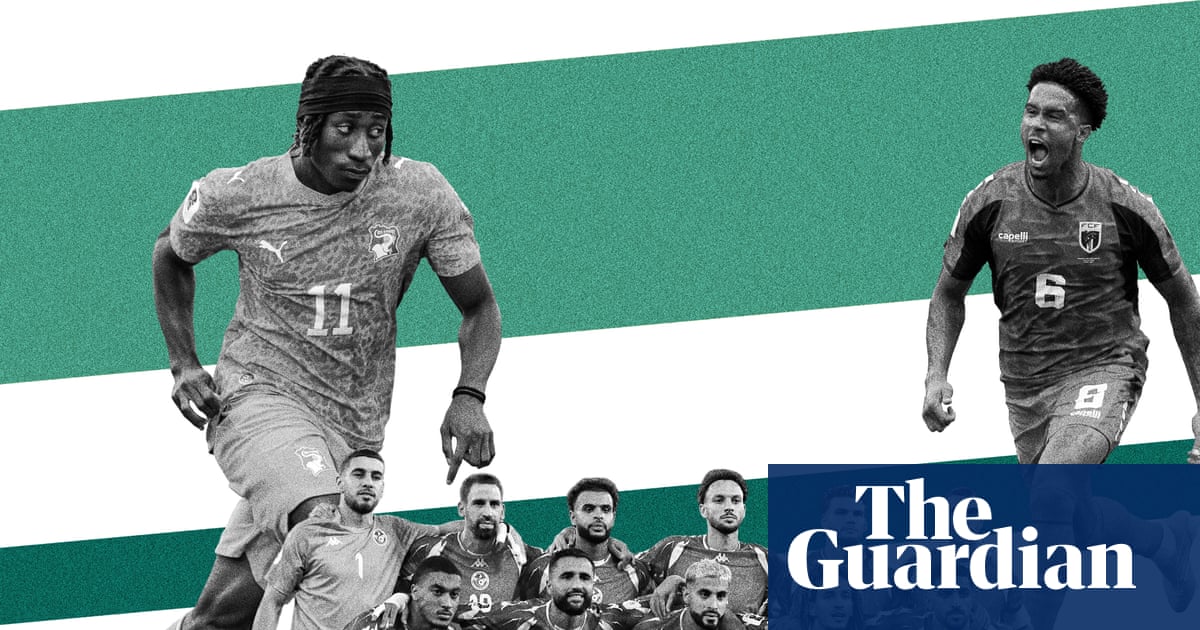
African teams have a point to prove at this World Cup. How are they faring?
There are twice as many teams from Caf at this World Cup than in 2022, but their results so far have been hit and miss • Predict the winner | Daily podcast | Download our app On Monday evening local time at New York New Jersey Stadium, Senegal will face Norway in a game that is not only crucial in terms of who qualifies from Group I, but will go a long way in determining how African performance at this World Cup is viewed. This is not entirely fair – nobody can seriously doubt that Senegal are an extremely adept side, and it may be that the court of arbitration for sport decides that they are indeed the reigning African champions – but there is a sense that Africa could do with a big performance. No region benefited as much from the expansion of the World Cup as Africa. In Qatar in 2022, five of the 32 slots (16% of the field) went to the Confederation of African Football (Caf). Of the 48 slots this time around, nine went automatically to Caf, and they secured a 10th when DR Congo beat Jamaica in an interconfederational playoff in March. Caf had lobbied for years for more representation, arguing it was unfair that it had only five slots for its 54 members, while Conmebol, the South American confederation, had four plus a playoff for 10 members (21% of the field). The response was that Conmebol sides had won the World Cup nine times, while Caf sides had only made the quarter-finals on three occasions. By the end of the last World Cup, Conmebol were up to 10 victories and Caf had its first semi-finalist. This is an extract from Soccer Desk: World Cup edition, a newsletter from the Guardian US that will run regularly during the tournament. Subscribe for free here. Continue reading...
 BBC Sport
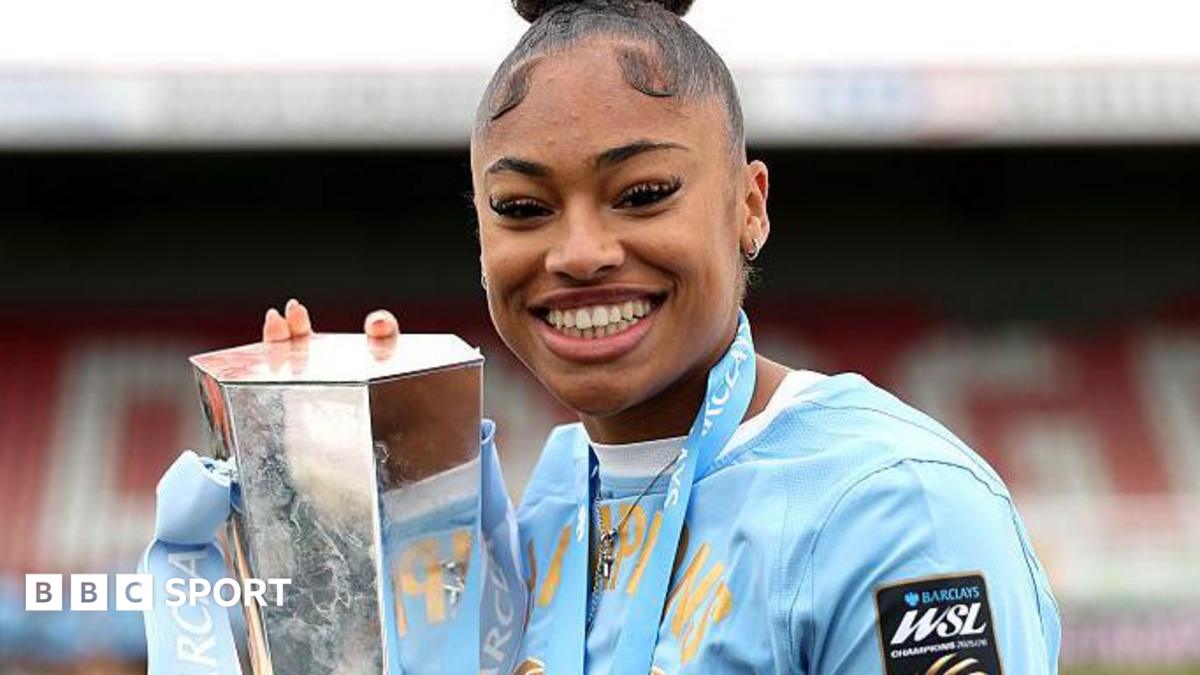
Goalkeeper Keating turns down new Man City deal
England goalkeeper Khiara Keating turns down an offer of a new deal at Manchester City and is uncertain about her future.
 ESPN
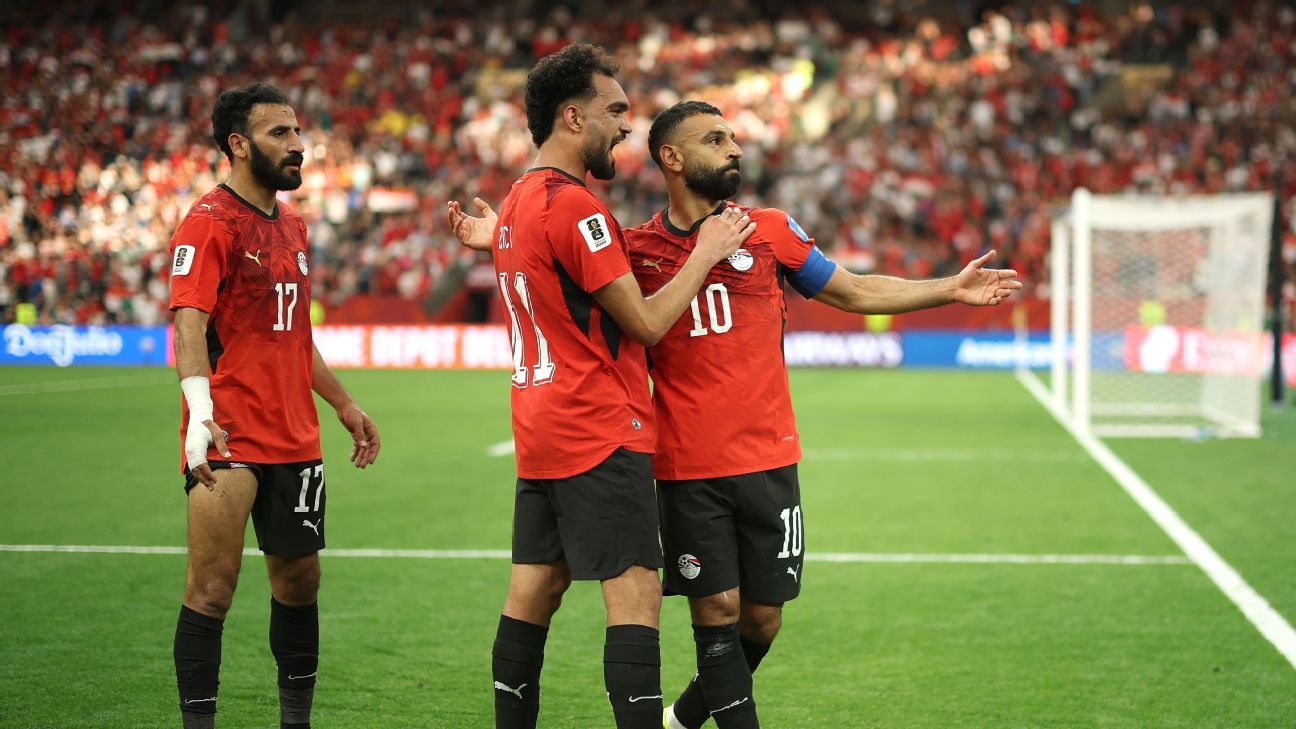
ESPNCopy of Salah stepped up, but World Cup 2026 is proving to...
Mohamed Salah wound back the clock with a sublime display on Sunday, but this World Cup has shown that the tournament has been a step too far for some of world soccer's aging stars.
 ESPN
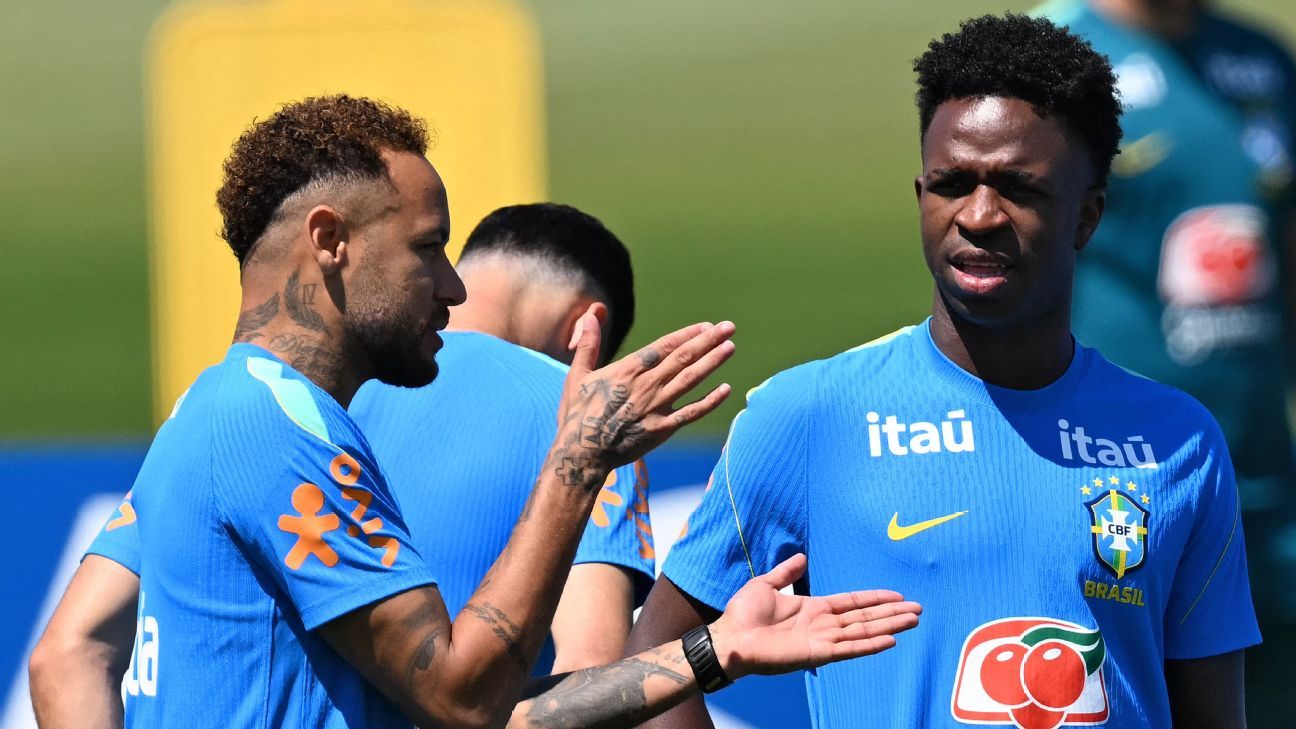
ESPNNeymar trains before Scotland World Cup clash
Neymar completed his first full training session with Brazil on Sunday.
 ESPN
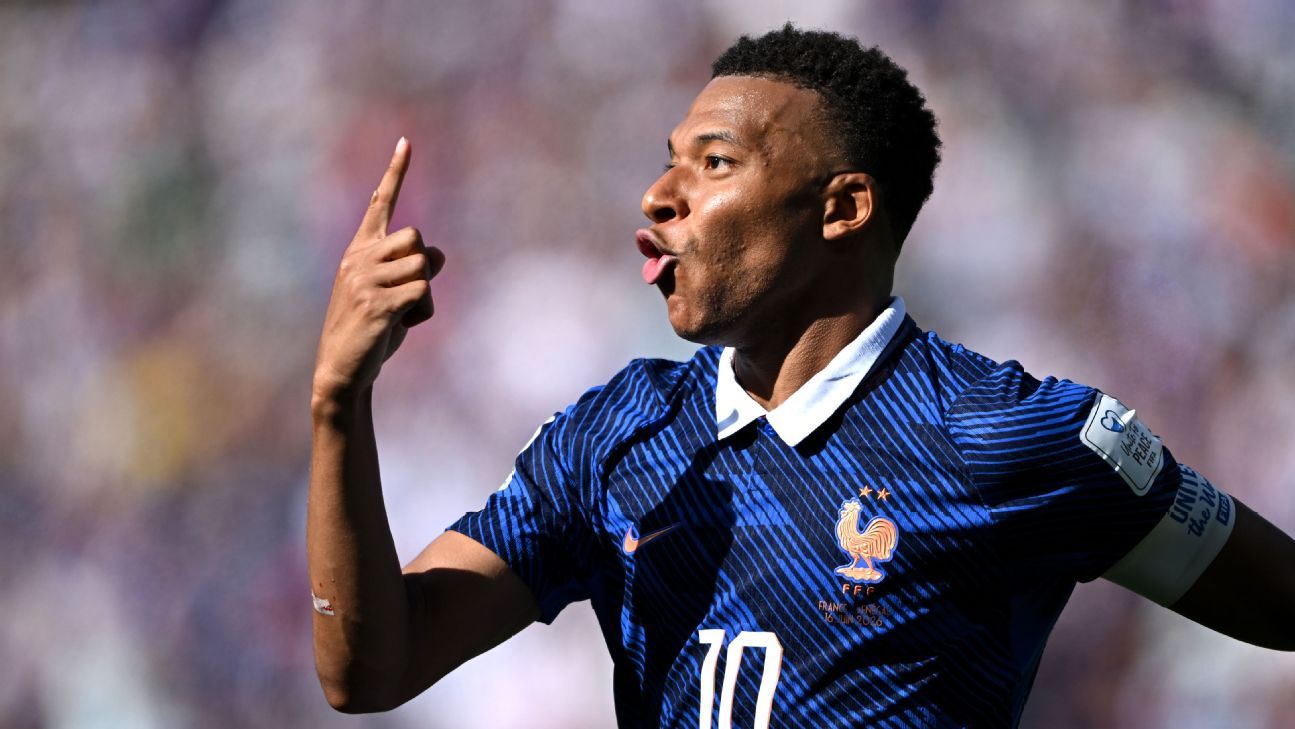
ESPNIraq's plan to stop Mbappé? Ask to play 3 keepers
Iraq coach Graham Arnold -- tasked with slowing down Kylian Mbappé and the 2022 World Cup finalists France on Monday -- had an idea that might have worked.
 The Guardian Football
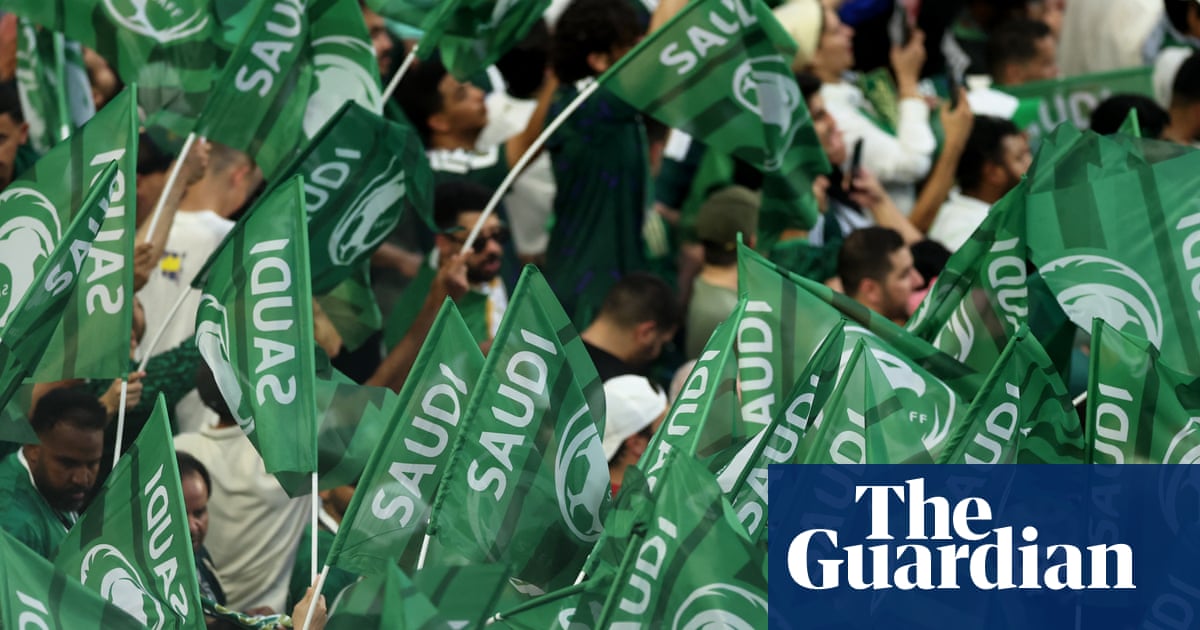
The Hotspot | Aramco’s petrodollar backing of World Cup leaves stain of sportswashing
How Saudi Arabia’s state-owned oil giant is embedding fossil fuels as a crucial part of the world’s biggest sport If you have watched the World Cup, you may have seen the big signs announcing Aramco as the tournament’s “energy partner”. This Saudi Arabian fossil fuel company also happens to be the world’s single largest corporate polluter while Saudi Arabia has, for decades, been the greatest stumbling block in international climate change negotiations. Aramco’s sponsorship is one aspect of Fifa’s increasing sportswashing that has angered fans around the world. This cosy relationship between modern football and the polluting industries has a long history that can be divided into three periods. First was when the game grew in British society as a tool to order and discipline workers and then became a cultural export of the British empire and capitalism. In the Factory Act of 1850, workers won the right to have Saturday afternoons free from work from 2pm, which is why the traditional kick-off is 3pm. Continue reading...
 The Guardian Football
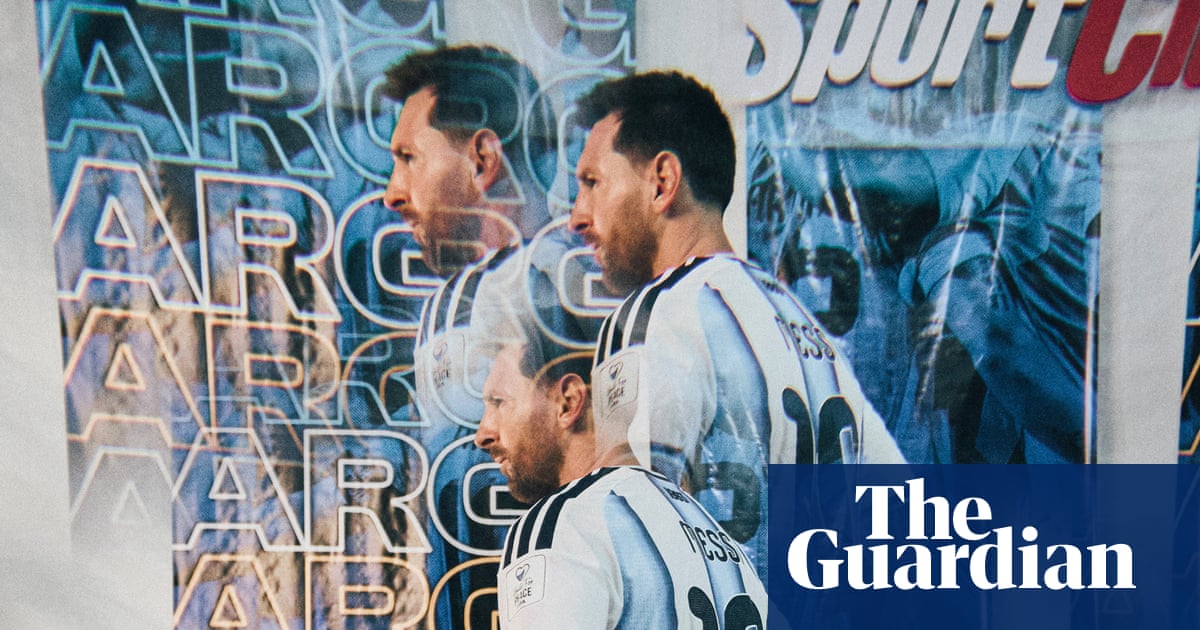
Who are ya? Behind the scenes of the official World Cup portrait photographs
Poses and backstage snaps showcase the players’ personalities and the mechanics of Fifa’s obligatory photoshoots Lionel Messi of Argentina stands rigidly in front of the camera. Marc Cucurella of Spain whips his hair and appears to boogie. Diego Moreira of Belgium covers his eyes with his forearm and reveals an eerie tattoo. Harry Kane leans awkwardly on to one knee. There are 1,248 football players and 48 managers at the World Cup, and none could escape the obligatory media duty that is the official portrait – whether or not they had a fun pose in mind. (Above) Diego Moreira of Belgium obscures his eyes for an eerie portrait. (Below) Marc Cucurella of Spain, Ronald Araújo of Uruguay and various other familiar faces. Continue reading...
 BBC Sport
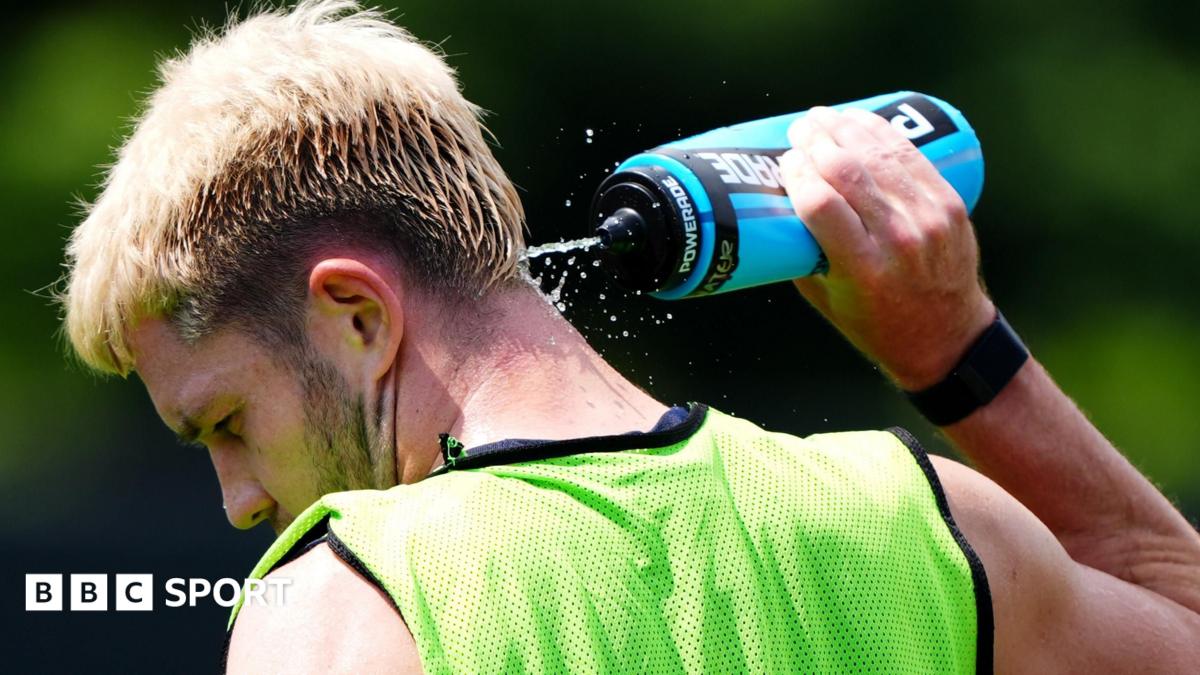
How sweltering Scotland can handle World Cup heat
With Scotland's World Cup games expected to take place in temperatures of around 30C, Steve Clarke and his team will have to battle the conditions as well as Brazil.
 The Guardian Football
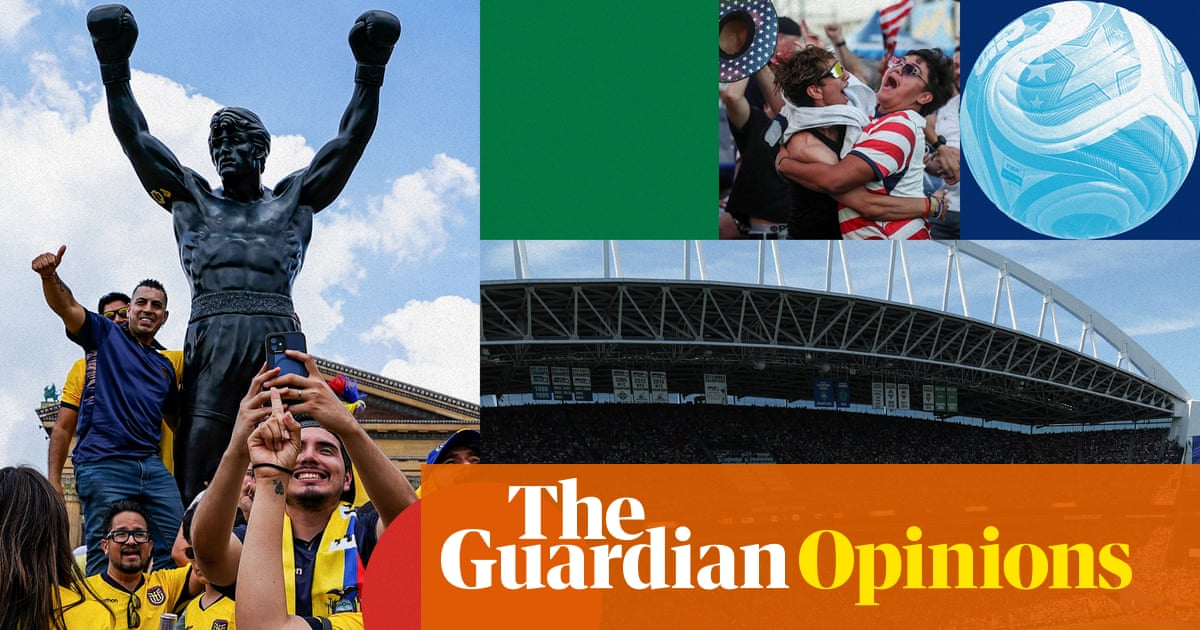
Maybe this World Cup will bring the best out of the US, not the worst | Barney Ronay
Tournament could hold up a useful hand mirror to the isolationism and divisiveness of Trump’s joint-host nation One of the best parts of following football across the world is the way it drags you into special places, local shrines, objects of profound cultural connection. The US, of course, has these holy spaces too. The queue of pilgrims in Philadelphia on Thursday morning stretched down the sun-blasted steps to the plaza at the bottom. Edging forward, the people in their ritual colours approached the figure at the top, arms outstretched in supplication, in a state of hushed deference. Called finally for his moment of communion, the man at the front of this line straightened his Ronaldinho shirt, clenched his fists above his head for the ceremonial Insta pic and shouted: “Adrian! I did it.” Continue reading...
 The Guardian Football
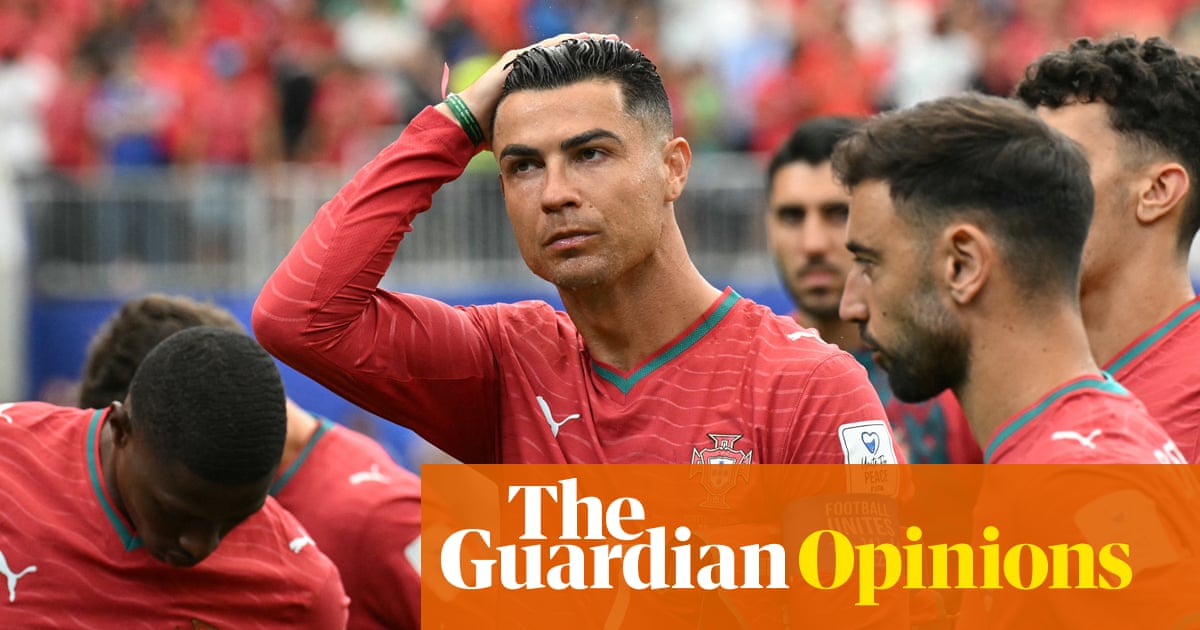
Cristiano Ronaldo risks ruining his legacy if he continues to stymie Portugal by starting | Miguel Dantas
One of the finest players to grace the game no longer deserves his place in the team and should take it upon himself to stand down to serve their chances At 41, Cristiano Ronaldo’s problem is not his age. It is that nobody seems willing to tell him to his face what everyone else can see. In Portugal, patience for the legend has run dry. Ronaldo is not fit to be a Portugal starter any more. What would have sounded like a treasonous statement a few years ago now looks an obvious truth. At least to everyone except the national team manager, Roberto Martínez, and his coaching staff. Continue reading...